
A dog harness does a lot more than connect a leash. It collects dust, oil from your dog’s fur, leftover rainwater, and outdoor grime. Over time, a dirty harness can cause itching, odors, and fabric breakdown. Regular cleaning helps your dog stay comfortable and extends the life of the harness.
Before washing, take a moment to look closely at your harness. Some are made from nylon or polyester, while others include padding, soft interior lining, or decorative fabric. Grooming leaves behind oils that build up in cloth fibers, so even a harness that looks clean may hold bacteria. Understanding its material helps guide how to clean it properly.
Start by brushing off loose hair and dirt. A dry towel or soft brush works well. If your dog enjoys muddy adventures, let the dirt dry before brushing. Then undo all straps and buckles so nothing folds or twists while washing.
Hand washing is the safest method. Fill a sink or bowl with warm water and add a small amount of gentle detergent. Avoid detergents with heavy fragrance or bleaching agents. Submerge the harness and gently move it through the water. Use your fingers or a soft brush to work on areas that rub against your dog’s chest and neck.
Machine washing is an option for simpler harness designs. Place the harness inside a laundry bag or pillowcase to protect fasteners. Select cold water and a gentle cycle. Skip fabric softeners because residue can irritate sensitive skin. Washing separately from heavy clothing prevents the harness from stretching or catching.
After washing, rinse thoroughly. Soap left behind in the fabric may cause irritation. Squeeze out excess water without twisting. Let the harness dry naturally in a well-ventilated area. Heat weakens stitching and padding, so avoid tumble dryers. Direct sunlight can also fade color, especially with softer materials.
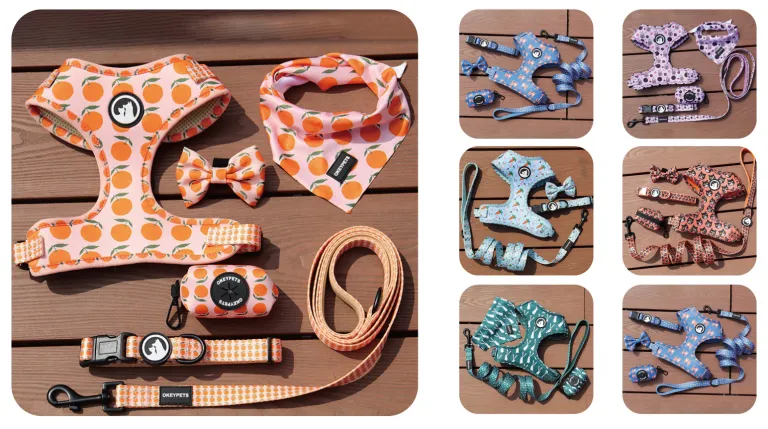
Different designs require different care. A padded custom dog harness may need extra rinsing to ensure soap does not settle inside thick layers. If you own a designer dog harness made with velvet or cloth lining, gentle hand washing protects the texture and shape. Tactical styles with reinforced webbing benefit from slow air drying to retain strength.
High-quality construction makes cleaning easier. Gear produced by an experienced dog harness manufacturer typically includes durable stitching and materials designed to handle repeated washing. Well-made harnesses maintain their shape and safety features far longer than cheaply produced alternatives.
OKEYPETS manufacture harnesses built for daily wear and easy maintenance. Their range includes different fabrics such as neoprene, soft linings, and reinforced styles, each designed to remain comfortable even after multiple washes.
Cleanliness also affects performance. Dirt trapped in straps reduces flexibility. Caked mud interferes with clasp function. Even odor impacts your dog’s enjoyment of the harness. Dogs rely heavily on scent, and wearing something unpleasant may make them resist future walks.
How often you wash a harness depends on routine. Active dogs may need weekly cleaning. Dogs who walk lightly and stay mostly indoors can usually go a few weeks between washes. A good sign that cleaning is needed includes odor, stiffness, visible dirt, or discoloration.
Washing may feel like a small chore, but its impact is huge. A clean harness helps prevent skin irritation, keeps your dog smelling fresh, and maintains safety during movement. With simple care habits, your harness lasts longer and performs better.
Make harness cleaning part of your regular care routine. Your dog will feel better, move more freely, and enjoy every walk with gear that stays clean and comfortable.