
Video is among the easiest methods to access information. Videos are often short and convey more than a lengthy page of text. Visual content can be used to browse through social media feeds look up tutorials, browse through demos for products or acquire new techniques. It’s always been about creation. Professional video required equipment, editing abilities as well as patience and time. That gap is now closing through AI video technology.
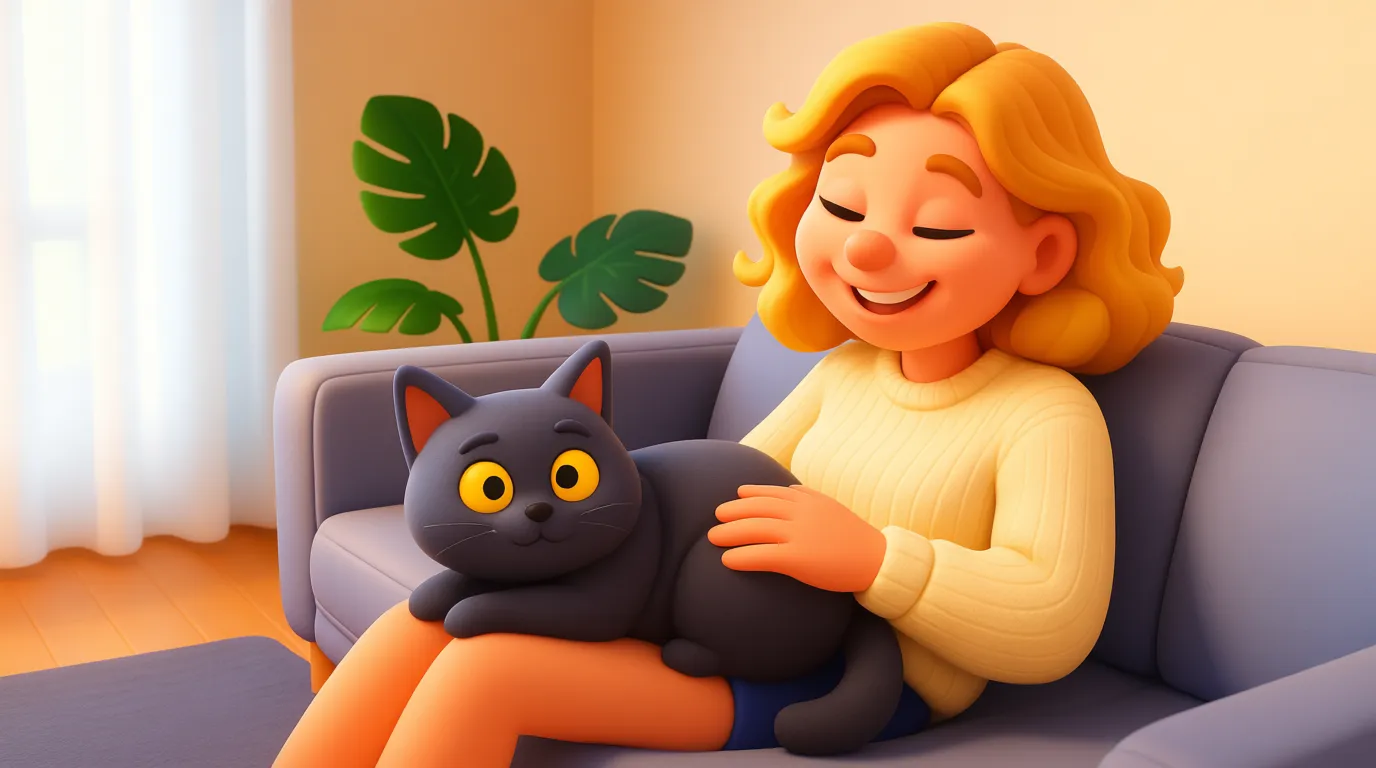
Image credit: vivideo.ai
Vivideo.ai let anyone create polished videos without technical experience. Users are able to focus on their message rather than being concerned about complicated software or time-lines. The system will handle the rest in the background.
A Different Method of Video Creation
Traditional video production involved several steps. Planning, filming, editing, voice recording, exporting. Each step required resources, staff, and even money. A video maker AI simplifies the process into an easy stream. You describe your idea. The system then creates a full video of it.
It is now possible for anyone to produce content. Small-scale business owners create videos for marketing. Teachers create lessons. Coaches exchange training materials. Social creators can remain consistent without feeling burnt out. It’s more like writing rather than editing.
Turning Ideas Into Visual Content
Text to video is among the most useful features available today. You paste a script. The AI chooses visuals to match your message. Automatically, music will play. Voice narration is added to a natural tone. The end result could have needed a full production team in the past.
The hesitant person is no more. The customers no longer have to sit around for the perfect conditions. They are able to test their ideas rapidly. They refine content based on feedback. They are more likely to publish since they feel the barrier is very low.
Motion for Still Images
Another powerful tool is image to video. The images themselves are often flat. AI adds visual flow, motion and timing. A few images turn into a story. An ordinary product photo transforms into a short promo. A series of slides can serve as a visual instructional.
It can be used for product launches, storytelling as well as online presentation. There is no need to be an a specialist in animation. The system is able to create motions that feel natural.
Editing without Frustration
Traditional editing tools overwhelm newbies. Layers, timelines, formats confuse most people. AI platforms remove that pressure. Users adjust the scene using easy controls. They change pacing. They change the visuals. Narration is rewritten.
Subtitles are automatically displayed in a variety of languages. That helps reach wider audiences. Additionally, it increases accessibility for viewers that prefer captions.
Voices that Are Real
AI voice technology has gotten to an level of sophistication that makes it feel human. You can choose the style the tone, and even the language. You can select a voice that fits your message. There’s no need for a microphone. No studio setup. No retakes.
Some platforms even include digital presenters. These avatars are animated and talk on the screen. They work well for training content explaining, business updates, and explainers. The message feels personal and doesn’t require real-time filming.
Quality without Compromise
AI-generated video content supports high resolution output. Content works on YouTube, TikTok, Instagram, LinkedIn. The format is automatically adjusted. You create once. You can share it anywhere.
It helps you save time. This also ensures that branding remains consistent across platforms.
How AI Videos Feel Different
It’s not about the technical aspects. It’s a feeling. People are less concerned about tools. People stop worrying about tools. They’re comfortable experimenting. They’re free to try new things.
Vivideo.ai transforms the video production process from a stressful process to something natural. You consider. You type. You publish. You release.
It is not a substitute for creative expression. It eases the process. It allows users to communicate stories, lessons and knowledge without feeling restricted by the complexity. The future of content feels lighter, faster, and more human.