
Even a developer with six years of hands-on technical experience can find it challenging to explain why a particular architecture was chosen when interviewed. A marketing professional might have managed effective marketing initiatives yet forget the most relevant performance figures when asked about previous achievements.
Difficulty recalling details is not necessarily evidence of poor professional ability. During an interview, candidates must interpret questions they have not anticipated while recalling information and presenting their thoughts coherently under pressure.
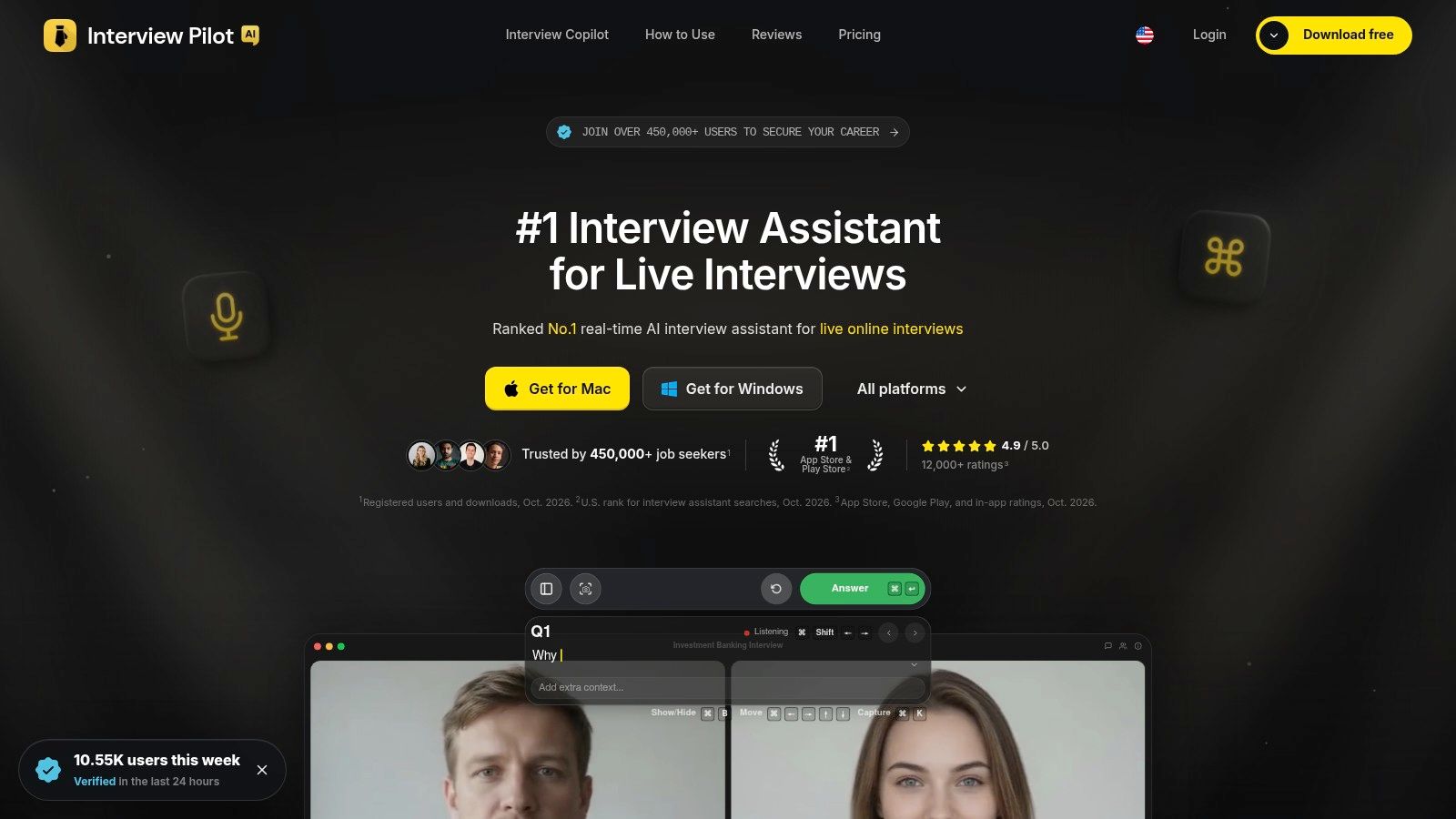
AI technology offers new methods for developing these interview skills. Interview Pilot combines individualized interview practice, simulated conversations, and live answer suggestions to help candidates approach professional interviews with greater confidence.
Build a Personal Library of Professional Experiences
Traditional interview preparation often involves initially searching for common questions and memorizing suggested responses. The limitation is that generic answers rarely reflect the details of someone’s actual career.
Consider the familiar question, “Tell me about a time you managed a difficult project.” Starting confidently is useful, but a good response requires more substance. It should explain the circumstances, the candidate’s role, the decisions they made, and the eventual outcome.
Interview Pilot uses information from a candidate’s professional resume, target position, and prospective employer to generate more relevant suggestions.
An AI interview assistant can help users identify experiences worth discussing, organize supporting details, and recognize gaps in their explanations. Candidates can then practice recounting those events truthfully in their own words.
Knowing the Technology Is Only Part of the Interview
An assessment of technical ability goes beyond understanding programming tools, software platforms, and engineering principles. Interviewers frequently want to understand how candidates work through problems and evaluate competing solutions.
When discussing database optimization, a developer may be asked to describe how indexing improved query performance, the associated trade-offs, and the method used to measure the improvement.
Both technical questions and behavioral prompts are supported by Interview Pilot. Through its interview copilot functionality, the platform processes questions asked aloud and generates context-aware suggestions.
A suggested response is useful only insofar as the candidate also understands the explanation supporting it. Independent explanation of technical decisions becomes particularly important when the interviewer poses follow-up questions or changes the scenario.
Practice Conversations, Not Just Separate Prompts
There is a meaningful difference between reviewing interview questions silently and responding out loud. Spoken practice exposes communication habits that written preparation may overlook, including lengthy introductions, unclear explanations, and unnecessary technical jargon.
With its interview question bank and AI mock interviews, Interview Pilot gives candidates a way to prepare ahead of time for a recruiter or hiring manager conversation.
A useful preparation method involves answering the same question several times with varying amounts of detail. The same experience could be explained in about half a minute during a screening interview and in greater depth during a technical discussion. Being able to vary an explanation helps candidates avoid sounding scripted while adapting to the direction of the discussion.
Consider Professional Integrity Before Using Live AI
Tools offering real-time interview answers introduce additional considerations around professional integrity and employer expectations. Employers differ in their assessment policies: some allow AI tools, whereas others expect applicants to show their skills on their own.
Before using a copilot for interview preparation or live support in a real interview, candidates should check the employer’s policy. Processing interview conversations through software raises additional considerations involving the confidentiality of the discussion and consent. The best use of AI suggestions is to reinforce what a candidate genuinely knows, not to stand in for missing qualifications or fabricate career experiences.
Finding Time for Consistent Interview Practice
Preparing for an interview often means finding time amid employment commitments, commuting, and responsibilities outside work. Being able to access preparation tools on different devices can help candidates practice regularly.
Interview Pilot is available on Mac, Windows, iPhone, Android, and through a web version. According to the platform, it serves more than one million users worldwide and offers a free plan with limited weekly AI usage alongside paid subscriptions for unlimited use.
Ultimately, effective interview preparation isn’t about memorizing perfect sentences. It’s about becoming comfortable discussing what you know, demonstrating how you think, and explaining the value you can bring to an organization.
Used thoughtfully, Interview Pilot can support that process while keeping the candidate’s own professional background, judgment, and communication skills at the center of the conversation.